


In recent years, as global furniture manufacturing and office environments continue to evolve, furniture casters-once considered a basic accessory-are becoming a key factor in overall product quality and user experience. With the rapid growth of cross-border e-commerce and B2B sourcing, the role of casters is shifting from purely functional components to experience-driven elements.
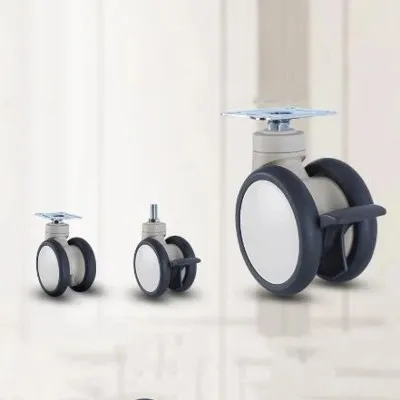
From a product perspective, the market is mainly divided into two mounting types. Threaded stem casters are commonly used for office chairs and light-duty equipment, while plate-mounted casters are widely applied in cabinets, storage units, and various furniture systems. This clear segmentation allows products to better match specific applications and has also led to a broader and more refined SKU structure.
In terms of performance, low noise and smooth rolling have become essential. Manufacturers are increasingly using high-density engineering plastics combined with wear-resistant materials to improve durability and reduce friction noise. At the same time, enclosed wheel housing designs are gaining popularity, offering a cleaner appearance while helping to prevent dust buildup and extend product lifespan.
Design is also playing a more important role. Neutral color combinations such as black and grey have become standard, aligning with modern minimalist furniture styles. For international buyers, consistency in appearance and attention to detail are now important factors in purchasing decisions.
From an industry standpoint, the furniture hardware sector is moving into a more refined and competitive phase. Buyers are no longer focused solely on price-they are placing greater emphasis on product reliability, usability, and overall fit within their product lines. This shift is pushing manufacturers to invest more in mold development, material selection, and quality control.
Looking ahead, caster wheels are expected to evolve further with added features such as braking systems and shock-absorbing structures to meet more demanding applications. As global supply chains continue to adjust, suppliers with strong development capabilities and differentiated products will be better positioned to stand out.
What was once a small component is now playing a significant role in driving the upgrade of the entire furniture hardware industry.


