

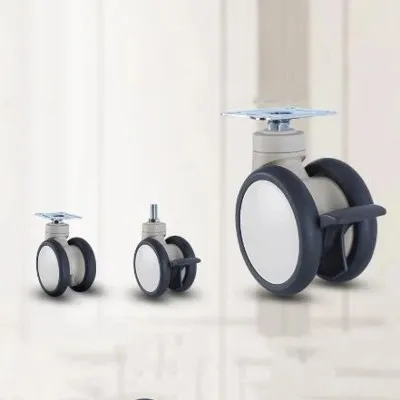
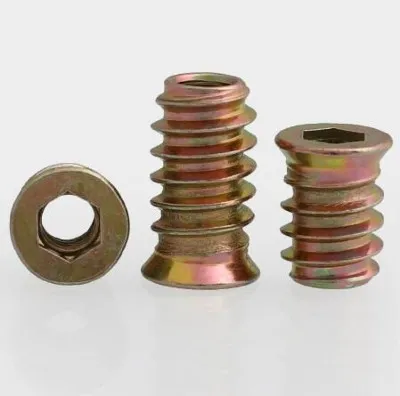
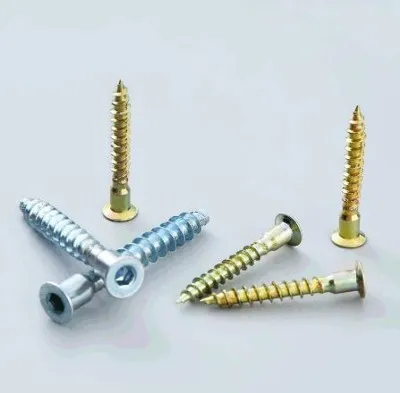
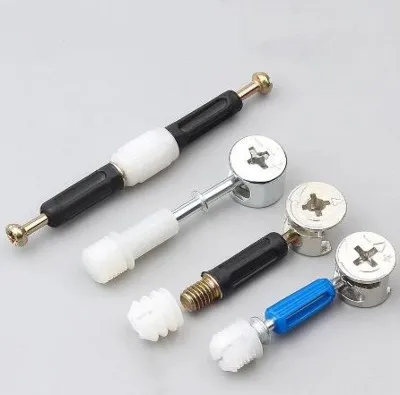
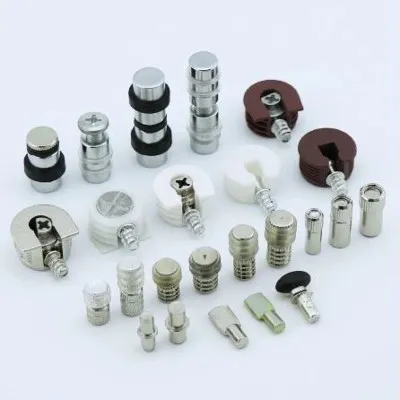
A furniture screw can refer to any type of screw (and sometimes nut) used on furniture. Different types of screws have different uses in furniture.Furniture screws, the variety of models and types is impressive. To the point of being confused which ones are functional for each specific application. Because the characteristics that they can present are useful for certain situations or even aesthetic finishes. That is why the correct choice of screws is essential to install drawers, accessories, hinges or even assemble a piece of furniture from scratch.
Advantages of Furniture Screws
All Shapes & Sizes
Easily one of the best things about screws is they come in a huge array of sizes and shapes, which means they can be used for almost any application under the sun.Different screw types come with different thread patterns, so with a little bit of research, you can wind up getting the one specifically designed to meet your need.
Resistant To Rust
Screws are prevalent in outdoor applications, so that means they need to be able to hold up against moisture and the elements, lest they rust. Since screws are oftentimes made of aluminum or stainless steel, they are able to hold up well against moisture.Not only that, they tightly bond to the material, leaving little room for moisture to get in and play havoc. The haft of the screw is the sensitive part, and it is well protected by being embedded safely in the material (wood, metal, plastic, etc.).
Easily Removed (mostly)
Unlike nails, which you have to either hammer out or pry using the claw of a hammer, screws are mostly easy to remove. Just grab your favorite drill and the appropriate bit and you can have a whole mess of screws pulled out in no time.
Great Strength And Holding Power
Even the tiniest of screws have been built to hold. Compared to nails, which can bend over time and exposure to regular force, screws will hold strong unless faced with extreme conditions. That kind of holding power keeps any joined surfaces holding as solidly as possible.
Types of Furniture Screws
Euro screws
The type of Euro screw is the one indicated for fixing hinges, sliding door fittings and drawer guides directly to furniture. It consists of a flat tip so it is necessary to previously open holes in the wooden boards to fix it. The design of the head can vary depending on the model, so if it is a flat head it will be inserted completely into the wood or directly into the piece. But if its shape is domed, it will have more clamping force, since the surface of the head will exert grip on the piece, it will not be completely inserted.
Self tapping screws
Self-tapping or lag screws are very common in the assembly of furniture and installation of metal parts on wooden surfaces, since they do not require prior drilling to be installed. This feature makes them an excellent choice when looking for hinge screws or drawer runners, because they allow for greater precision when installing. There are many models of this type with different characteristics. In the event that you need to tighten a piece with great force, the Allen head screws allow a better grip on the tool and greater force can be applied to them without it slipping as it could happen with the cross screws. On the other hand, to install cup hinges, drop head screws are an ideal option for a correct and safe installation.
Pozidrive head screws
If you have ventured into DIY, you have surely seen that there are screws that, although they have a cross head, have slight differences and screwdrivers do not tend to fit well. This happens because there are two variants, the Philips and the Pozidrive. The latter is newer and was designed to improve grip and prevent the screwdriver from slipping, wearing down and damaging the screw. To differentiate it, you will notice that the Pozidrive has a hole in the middle of the cross and also has four smaller lines at 45°, which share the same center. The advantage of these Pozidrive screws is that they allow more force to be applied to the cross. This results in self-tapping a better installation in materials that are more rigid. They are perfect, for example, for installing cup hinges with aluminum profiles, as is the case with this Pozidrive Head Screw for hinges.
Grub screws
This type of screw is characterized by not having a head and being completely embedded in the wood or surface until it reaches the piece that needs to be secured. This gives you the benefit of less exposure so it will take much longer to corrode, unlike cap screws. However, the use of grub screws is not the same as the traditional ones, since these are used to fasten and lock parts, such as hook bolts that need these screws to fix and hold two pieces of furniture together. Another advantage of this type for furniture is that thanks to its design, in the area where it is activated with the screwdriver, Allen key or other mechanism. It supports greater force, since this area is surrounded by the same one that is screwed.
Key Points to Consider When Choosing Outdoor Furniture Screws


Corrosion & Rust Resistance
The most critical factor to consider when selecting screws for outdoor furniture is their ability to resist corrosion, moisture and rust. Look for screws made from stainless steel or galvanized steel, as they are specifically designed to withstand moisture and other environmental factors that weaken the joint and make it short-lived.
Size And Length
Choosing the right size and length of screws is essential for the structural robustness of your outdoor furniture. The screw diameter should match the pilot hole size, ensuring a secure and optimum fit. Moreover, the length of the screws should be sufficient to penetrate both pieces of wood firmly without protruding excessively.
Thread Type
Different screws have different thread types, such as coarse thread and fine thread. Coarse-threaded screws are generally recommended for outdoor furniture, as they provide better grip and are less likely to split, or burst during drilling and installation. It also prevents them from loosening over time. Fine-threaded screws, on the other hand, are better suited for indoor furniture or projects where high torque and lower tensile strength are required.
Head Type
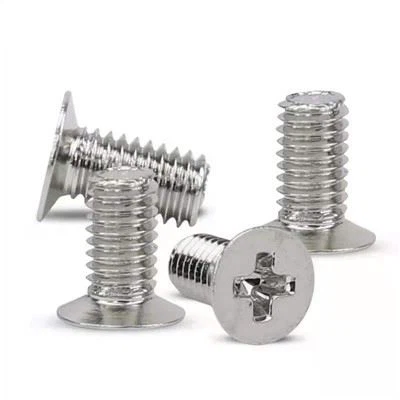
Pay special attention to screw head type while selecting screws for outdoor furniture. Different head types have different torque requirements and driving mechanisms. Common options in today's market include flat-head, round-head, slot-head and pan-head screws. Flat-head screws are most suitable with a soft wood surface, while round-head and pan-head screws are more suited for heavy furniture. Choose a head type that aligns with the design and functionality of your furniture.
Dust, Dirt & Uv Protection
It is a given, that outdoor furniture will be exposed to direct sunlight, which will over time impact screw performance for the worse. In such cases selecting screws with uv resistance is beneficial. Uv-resistant screws are designed to withstand the damaging effects of prolonged sun exposure, preventing discolouration and degradation over time. While for dust and dirt protection, it is imperative to keep them covered when not in use.
Easy Removal And Replacement
In the event that a screw needs to be replaced or furniture needs to be disassembled, it's important to choose screws that are easily removable without causing damage to the furniture. These are called semipermanent or temporary joints and can be disassembled and reassembled whenever needed.
How Does Inspect Furniture Screws Quality
In the process of screw forming, the mold that produces the screw is first inspected. Only a good mold can produce a good screw product. Then to test of equipment for manufacturing screws, which is beneficial to our smooth manufacturing.
Then we need inspect the appearance of screws to see if if it is smooth,and check the size and diameter,length of the specification complies with standard or our customer requirments.
Third is the detection of screw threading,the first thing we concern about is the thread mold,the good thread mold can produce the screw thread can go gauge,nogo gauge.there is also testing for thread pitches.It is also necessary to ensure compliance with the standards and user application.
The last inspection is for surface treatment and salt spray test,electroplationg process.we need look at the color of screw,and if it is smooth surface.also the salt spray test how many hours will rust for screw.our purpose is screen out those screws that don nt meet standard and deliver high quality products to our customer.Ensure the quality of every screw we sold.
The Basic Anatomy of a Furniture Screws
Cam out is when your driver slips out of the screw head
Repeatedly camming out is what causes a screw to strip
Nearly every single innovation in screw design had the objective of reducing cam out
A canonical hole that is bored into the top of a screw hole for the purpose of allowing the screw to sit flush with or below the surface of the material it's being driven into
Countersink is also the name of the bit used to cut such a hole
Overdriving is when you drive the screw in too far
This can reduce the force needed to pull out a screw by up to 20%
Increases risk of stripping the head or even the threads
Worst case scenario you split your material, which is more common on softwoods and softer hardwoods
You can avoid overdriving by getting to know the slip clutch on your drill/driver, or just take it easy if you're driving by hand
The rotional force applied to a screw or any rotating object
Applying too much torque leads to cam out
The slip clutch on your drill limits how much torque can be applied to a fastener
Materials Used in Furniture Screws
Steel
This is by far the most common material used to manufacture screws for one simple reason: steel is cheaper than certain other screw materials.
Copper
Copper screws are good for corrosion protection. If you want to contact different components, copper can ensure a long life of the screw.
Aluminium
Aluminum is not as durable as other materials, but it does have one advantage – weight. Aluminium is the lightest fastener you can find.
Titanium
When you need both strength and lightness, choose titanium
The Production Process of Furniture Screws
Heading
Wire is fed from a mechanical coil through a straightening machine. The straightened wire flows directly into a machine that automatically cuts the wire to length and die cuts the head of the screw into the shape required.
Cutting The Thread
Once cold headed, the screw are automatically fed to the thread-cutting machine. The screw is then cut using one of two different techniques.
In the reciprocating die, two flat dies are used to cut the screw thread. One die is stationary, while the other moves in a reciprocating manner, and the screw blank is rolled between the two.
The final method of thread rolling is the planetary rotary die process. It holds the screw blank stationary, while several die-cutting machines roll around the blank.
Heat Treatment
Heat treating the screws increases it's overall durability. The screws are heated to a high temperature (about 900c/1652f), and then dipped into water. This sudden change in temperature hardens the bolt or screw material.
Coating
The type of coating is determined by the screws use. The main concern for screws is their corrosion resistance, so a zinc-plated coating is a common choice. This is a process where the screw is submerged in a liquid containing zinc, and an electric current is applied so that the zinc bonds to the screw forming a coating over the surface.
While zinc coated screws are fine for indoor use, for outside you'll need something stronger. That's where we have other options such as galvanised zinc flake coating or ceramic coating for superior corrosion resistance.
Ceramic coating has three layers. The 1st layer: A metallic zinc coat layer, the 2nd layer: A high-grade anti-corrosion chemical spray, and the 3rd top layer: A baked on ceramic top coating.
The chemical anti-corrosion spray and the baked ceramic top coating join together in a cross-linking effect. These layers are then bonded together with the metallic zinc layer through chemical reactions, resulting in a synergy of an almost unbeatable rust proof coating.
Maintenance For Furniture Screws
Dry and Ventilated Storage: Store furniture screws in a dry and well-ventilated area to prevent moisture buildup, which can lead to rust or corrosion. Keeping them in a designated container or organizer helps avoid mixing different sizes or types, making them readily accessible.
Proper Installation: When driving furniture screws, avoid over-tightening, as excessive force can strip the furniture or damage the screw threads. Use the appropriate size and length of screw for the application to achieve a secure fit without unnecessary force.
Corrosion-Resistant Screws: If furniture screws are used in outdoor or damp environments, opt for corrosion-resistant screws, such as stainless steel or coated screws. These materials are designed to withstand exposure to moisture, preventing rust or corrosion and ensuring the longevity of the screws.
Pre-Use Inspection: Before using furniture screws, inspect them for any signs of damage, such as bent or deformed threads. Damaged screws may not provide a secure connection and should be replaced with new, undamaged ones to ensure the integrity of the fastening.
Pre-Drilling: Follow proper installation techniques when using furniture screws. In hardwood or dense materials, pre-drill pilot holes to prevent wood splitting. Use the correct size and type of screwdriver or drill bit to avoid damaging or stripping the screw head during installation.
Replace Damaged Screws: If furniture screws become damaged, stripped, or lose their holding power, it's recommended to replace them with new screws. Continuing to use damaged or worn-out screws can compromise the integrity of the connection, which can have safety and performance implications.