

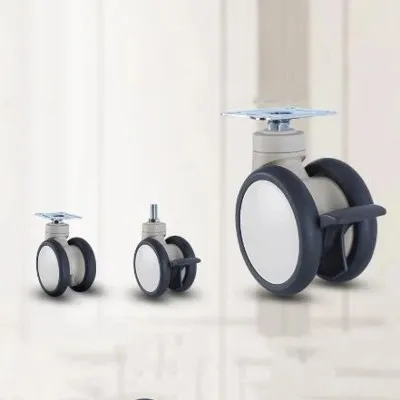
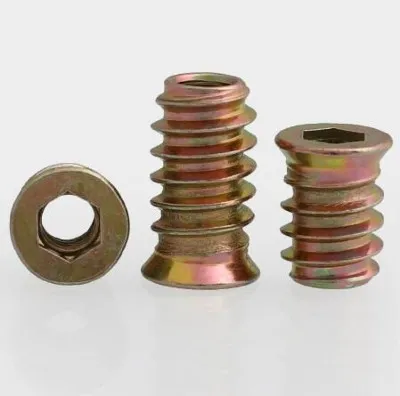
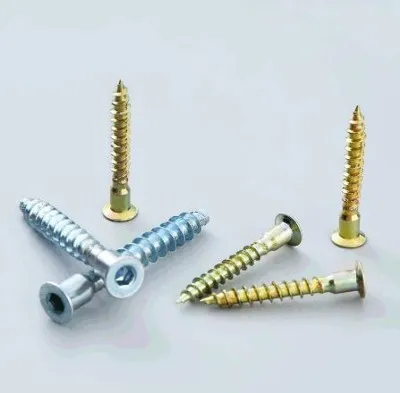
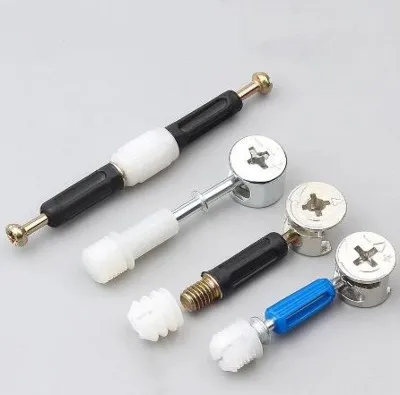

Casters are wheels or rollers that are attached to an object to make it easy to move. There are many types of casters based on design, construction and purpose. Here are some of the most common types of casters:
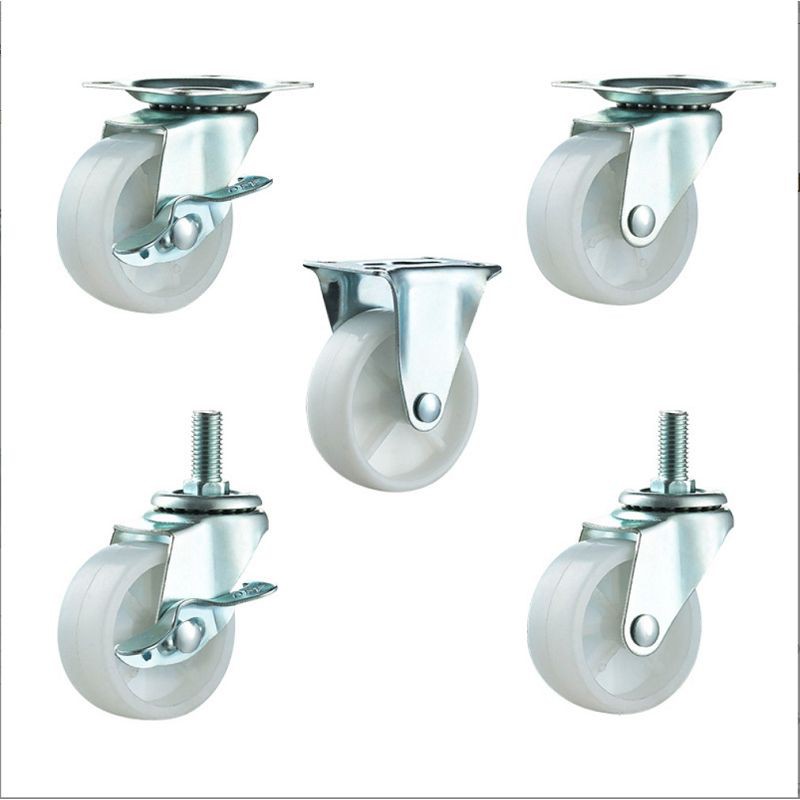
1. Swivel casters: These casters have a swivel mechanism that allows the wheels to rotate 360 degrees, making it easier to change direction while moving objects.
2. Rigid casters: These casters are fixed in a straight line and can only move forward or backward.
3. Dual wheel casters: These casters have two wheels mounted side by side, providing greater stability and weight distribution.
4. Ball Casters: These casters feature spherical ball bearings that allow the caster to move in any direction, making them ideal for furniture and light-duty applications.
5. Rod Casters: These casters have a rod that plugs into a mounting socket or hole, making them easy to install and remove.
6. Flat plate casters: These casters have a flat plate that is bolted to the object, providing greater stability and weight distribution.
7. Pneumatic casters: These casters come with pneumatic tires that provide a cushioned ride, making them ideal for outdoor or rough terrain applications.
8. Leveling casters: These casters have a built-in leveling mechanism that can raise or lower objects to the desired height.
9. Shock-absorbing casters: These casters have a spring-loaded mechanism that reduces shock and vibration when moving objects.
10. Heavy Duty Casters: These casters are designed to support heavy loads and are commonly used in industrial and manufacturing applications.


Type of caster material
Wheel material is the most important decision when choosing casters, as materials are best suited to different environments and temperatures.
●Fiberglass wheels are ideal for heavy-duty, high-temperature environments.
●Neoprene wheels are highly resistant to grease, fat and oil. They have enough cushioning to protect floors and roll quietly, making them ideal for softer floor types.
●Nylon wheels are ideal for heavy duty, high temperature and corrosive environments. Nylon wheels are suitable for both hard and soft floor surfaces and are ideal for concrete floors due to their durability and impact resistance.
●Phenolic resin wheels are highly resistant to oil, grease, gasoline and mild acids. They are ideal for use on smooth concrete floors and are not recommended for wet applications or rough surfaces.
●Polyolefin wheels resist strong impacts and leave no marks. They are suitable for wet and corrosive applications.
●Polypropylene wheels are easy to roll and chemically resistant. They work well in moist and oily environments.
●The polyurethane wheels have some cushioning to protect the floor and roll easily while handling a larger load capacity. They are suitable for hard, soft and uneven floor surfaces and are resistant to wear and grease.
●Solid rubber wheels are durable because they have no air inside, so you don't have to worry about air leaks. They offer good floor protection and quiet operation, making them an excellent choice for softer floor types.
●Stainless steel wheels have a sturdy and durable design. They are rust and corrosion resistant, making them a hygienic choice for wet environments.
Caster mounting type
There are two basic types of caster mounting options: plate casters and wheel casters. While both are suitable for different applications, the type of mounting you need depends primarily on where the casters are mounted.
Plate mount
Plate mounts feature flat brackets with bolt holes that allow the casters to be mounted flush to the equipment.
advantage:
●The plate has a larger surface area than a threaded rod mount, allowing for more reliable stability and mobility
●Ideal for heavy equipment
shortcoming:
●Not as easy to replace as pole casters
Stem bracket
Stem mounts have a single stem that is typically screwed into the device to make the connection.
advantage:
●Easy to replace, clean and lubricate as needed
●Ideal for lightweight applications such as small equipment and furniture
shortcoming:
●Not as sturdy as a plate mount