

Introduction
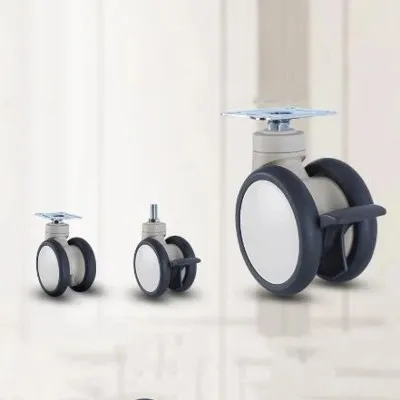
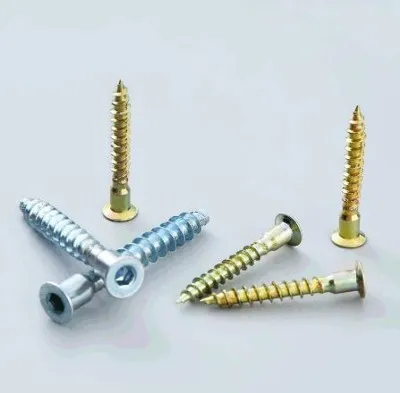
Threaded fasteners are widely used in furniture manufacturing, medical equipment, industrial carts, machinery, cabinets, trolleys, and metal structures. Screws, bolts, nuts, threaded inserts, and connector fasteners may look simple, but they play an important role in keeping products stable, safe, and durable.
However, in many real applications, threaded fasteners may loosen over time. This can happen when equipment is exposed to vibration, repeated movement, impact, transportation, or frequent assembly and disassembly.
For manufacturers, fastener loosening is not only a small quality issue. It may cause unstable structures, noisy equipment, poor user experience, maintenance problems, and even safety risks.
This article explains why threaded fasteners loosen, what common anti-loosening methods are used, and how buyers can choose suitable anti-loosening fasteners for different applications.
Why Do Threaded Fasteners Loosen?
A threaded fastener usually works by creating clamping force between two or more parts. When a bolt or screw is tightened, it creates preload. This preload helps keep the connected parts pressed together.
Fastener loosening often happens when this clamping force is reduced.
Common causes include:
- Vibration
- Repeated movement
- Impact loads
- Transverse sliding between connected parts
- Insufficient tightening torque
- Surface wear
- Material deformation
- Temperature change
Poor thread fit
Incorrect washer or nut selection
In many applications, the most serious loosening problem is not caused by the screw simply "falling out" immediately. Instead, the preload slowly decreases. Once the clamping force becomes too low, the connected parts may begin to move, shake, or separate.
For example, a hospital trolley with poor-quality caster fasteners may become noisy or unstable after repeated daily movement. An industrial cart used on uneven floors may experience vibration that gradually loosens the bolts around the wheel brackets. A furniture connector used in a flat-pack cabinet may loosen if the fastener is not matched correctly with the panel material.
Why Anti-Loosening Design Matters
Anti-loosening design helps threaded fasteners maintain reliable performance under real working conditions. The goal is to reduce the risk of rotation, preload loss, and connection failure.
Good anti-loosening fasteners can help manufacturers improve:
- Product stability
- Safety
- Load-bearing performance
- Long-term durability
- Assembly quality
- Customer satisfaction
- Maintenance efficiency
- Export product reliability
For B2B buyers, choosing the right anti-loosening solution is especially important when products are used in medical equipment, industrial equipment, mobile carts, outdoor furniture, or frequently assembled furniture.
Common Anti-Loosening Fastener Methods
There are different ways to reduce threaded fastener loosening. The right method depends on the application, load, vibration level, material, assembly process, and cost requirement.
1. Lock Nuts
Lock nuts are commonly used to resist loosening. They are designed to increase friction or create a mechanical locking effect between the nut and the bolt thread.
Common types include:
- Nylon insert lock nuts
- All-metal lock nuts
- Deformed thread lock nuts
- Flange lock nuts
- Serrated flange nuts
Application example:
A medical equipment cart may use lock nuts on caster mounting bolts. When the cart moves across hospital floors every day, the wheels experience repeated vibration and directional changes. Lock nuts can help keep the caster bracket securely attached to the base.
2. Spring Washers
Spring washers are traditional anti-loosening components. They are placed under the bolt head or nut to provide elastic force and increase resistance to loosening.
Spring washers are widely used because they are simple, low-cost, and easy to install. However, their performance depends on the actual application. In high-vibration or high-safety applications, buyers may need to use stronger locking solutions.
Application example:
A light-duty furniture frame or display stand may use spring washers together with screws and nuts to improve connection stability during transportation and daily use.
3. Flat Washers and Enlarged Contact Area
Flat washers do not directly "lock" the fastener, but they help distribute pressure over a larger surface. This can reduce surface damage and improve clamping stability.
For softer materials, such as wood panels, MDF, plastic, or thin sheet metal, a washer can help prevent the fastener from sinking into the material.
Application example:
A cabinet manufacturer may use washers with connector bolts to protect panel surfaces and improve assembly consistency.
4. Serrated Washers and Serrated Flange Fasteners
Serrated washers and serrated flange nuts use small teeth to bite into the contact surface. This creates extra resistance against rotation.
They are often used in metal structures, brackets, frames, and equipment bases.
Application example:
An industrial trolley with a metal frame may use serrated flange nuts on the wheel mounting plate. The serrated surface helps resist loosening when the trolley moves across rough floors.
5. Thread-Locking Adhesives
Thread-locking adhesives are applied to the thread before assembly. After curing, the adhesive fills the gap between the male and female threads and helps resist vibration loosening.
They are useful in some mechanical and equipment applications, especially where fasteners do not need to be removed frequently.
However, buyers should consider maintenance needs. If the equipment requires regular disassembly, permanent thread-locking adhesive may not be the best choice.
Application example:
A fixed medical equipment stand may use thread-locking adhesive on selected screws that are not expected to be removed during normal maintenance.
6. Double Nut Method
The double nut method uses two nuts tightened against each other to reduce loosening. This is a traditional mechanical anti-loosening method.
It can be useful in some structural applications, but it requires more space and correct installation.
Application example:
A heavy-duty equipment support frame may use double nuts on adjustment bolts where the position needs to be fixed after installation.
7. Cotter Pins and Mechanical Retainers
Some fasteners use holes, pins, clips, or retaining structures to physically prevent the nut from rotating freely.
These methods are often used in applications where safety and visible locking are important.
Application example:
A wheel axle assembly or adjustable equipment stand may use a pin or retaining clip to prevent accidental loosening during movement.
8. Custom Anti-Loosening Fastener Structures
Some applications require custom fastener designs, such as special thread forms, custom flange structures, special washer combinations, or integrated locking features.
This is useful when standard fasteners cannot meet the required load, space, vibration, or assembly condition.
Application example:
A custom pharmacy automation cabinet may require special mounting bolts, caster fasteners, or brackets because the cabinet body is heavy and needs stable movement during installation and maintenance.
How to Choose the Right Anti-Loosening Fastener
Choosing an anti-loosening fastener should not be based only on price. Buyers should first understand the application environment.
1. Check the Vibration Level
If the product is fixed and rarely moves, a basic washer or standard nut may be enough. If the product moves frequently, stronger anti-loosening solutions may be required.
For example:
Stationary cabinet: standard screw and washer may be enough
Mobile medical trolley: lock nuts or serrated flange nuts may be better
Heavy industrial cart: reinforced bolts, lock nuts, and strong washers may be needed
2. Consider the Material Being Fastened
Different materials require different fastener solutions.
For metal-to-metal connections, serrated flange nuts, lock washers, and lock nuts are common options.
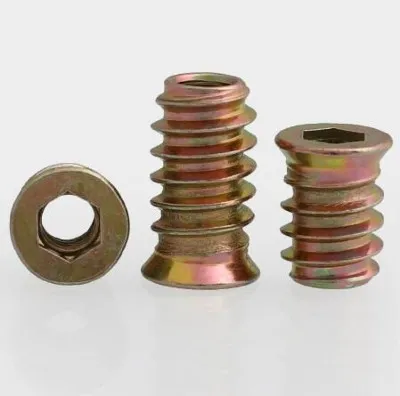
For wood, MDF, and particle board, the fastener must protect the material from cracking, crushing, or loosening. Insert nuts, furniture connector bolts, washers, and proper pilot holes are important.
For plastic or lightweight panels, enlarged washers or special inserts may help distribute pressure.
3. Match the Fastener with the Load Requirement
A light-duty cabinet connector does not need the same fastener as a heavy-duty caster wheel. Buyers should consider:
- Static load
- Dynamic load
- Shock load
- Repeated movement
- Pull-out force
- Shear force
- Installation direction
For example, a caster wheel under a heavy cabinet needs fasteners that can handle not only vertical weight but also side loads during movement.
4. Consider Maintenance and Disassembly
Some anti-loosening methods make disassembly more difficult. This may be good for permanent structures, but not ideal for equipment that requires regular maintenance.
For example:
Thread-locking adhesive may be suitable for fixed parts
Lock nuts may be better for parts that may need future replacement
Pins and clips may be useful when visible inspection is required
5. Confirm Surface Finish and Corrosion Resistance
Fasteners used in medical equipment, laboratory carts, outdoor furniture, or humid environments may require corrosion-resistant finishes.
Common options include:
- Zinc plating
- Nickel plating
- Black oxide
- Stainless steel
- Customized surface treatment
For medical or healthcare equipment, clean appearance and corrosion resistance are often important.
Real Application Examples
Example 1: Medical Trolley with Locking Casters
A hospital medicine trolley is moved many times every day. The caster wheels experience vibration, turning force, braking force, and repeated impact from floor transitions.
If ordinary nuts are used, the wheel bracket may loosen over time. A better solution may include:
- Lock nuts
- Flat washers
- Reinforced bolts
- Proper tightening torque
- Corrosion-resistant finish
This helps keep the trolley stable and reduces maintenance problems.
Example 2: Industrial Cart Used on Uneven Floors
Industrial carts often carry tools, materials, or equipment. When used on uneven floors, vibration and impact can loosen the fasteners around the wheel mounting plates.
A suitable solution may include:
- Serrated flange nuts
- Spring washers
- Heavy-duty bolts
- Thick mounting plates
- High-strength fasteners
This improves connection reliability between the caster bracket and the cart frame.
Example 3: Flat-Pack Furniture with Repeated Assembly
Flat-pack furniture may be assembled by customers at home. Some products may also be disassembled and moved multiple times.
In this case, direct wood screws may lose holding strength after repeated use. A better solution may include:
- Insert nuts
- Connector bolts
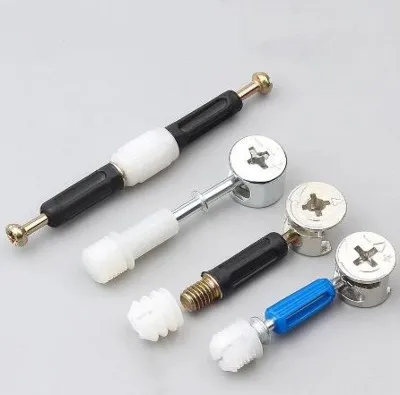
- Cam lock connectors
- Cross dowel nuts
- Proper panel hole design
This helps improve repeat assembly performance and furniture stability.
Example 4: Pharmacy Automation Cabinet
Pharmacy automation cabinets can be heavy and complex. They may require caster wheels during installation and stable support after positioning.
A suitable fastener solution may include:
- Heavy-duty caster bolts
- Lock nuts
- Leveling feet
- Custom brackets
- Surface-treated fasteners
This helps the cabinet remain stable after installation while still allowing controlled movement when needed.
Example 5: Outdoor Furniture or Garden Hardware
Outdoor furniture and garden hardware are exposed to moisture, temperature changes, and repeated use. Standard fasteners may rust or loosen if the finish is not suitable.
A better solution may include:
- Stainless steel fasteners
- Zinc-plated screws
- Larger washers
- Lock nuts
- Custom metal connectors
This improves outdoor durability and long-term product performance.
What Information Should Buyers Provide Before Ordering?
To choose the right anti-loosening fastener solution, buyers should provide clear project information.
Important details include:
- Product application
- Fastener size
- Thread type
- Material
- Surface finish
- Load requirement
- Vibration level
- Assembly method
- Panel or frame material
- Quantity
- Drawing or sample
- Packaging requirement
For custom projects, drawings and samples are especially helpful. They allow the manufacturer to recommend suitable fastener size, material, finish, and locking structure.
Why Choose ZIN Hardware?
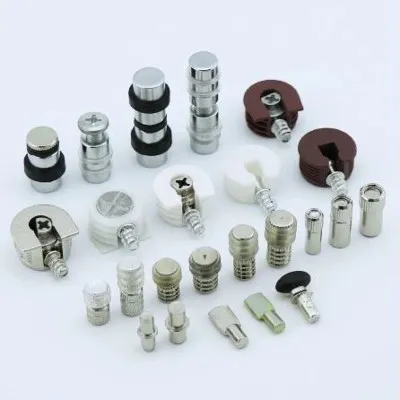
ZIN Hardware supplies furniture fasteners, screws, nuts, insert nuts, connectors, caster wheels, shelf supports, metal fittings, and custom hardware solutions for different manufacturing applications.
Our hardware products can be used in:
- Furniture manufacturing
- Medical equipment
- Hospital carts
- Pharmacy automation cabinets
- Industrial trolleys
- Storage cabinets
- Laboratory carts
- Display equipment
- Garden hardware
- Custom metal structures
We support OEM and ODM customization based on customer requirements, including size, material, surface finish, thread type, packaging, and application needs.
Whether you need standard fasteners or custom anti-loosening hardware solutions, ZIN Hardware can help you choose suitable products for your project.
FAQ
What are anti-loosening fasteners?
Anti-loosening fasteners are screws, nuts, bolts, washers, or threaded components designed to reduce loosening caused by vibration, movement, impact, or preload loss.
Why do threaded fasteners loosen?
Threaded fasteners may loosen because of vibration, transverse movement, insufficient preload, surface wear, material deformation, or incorrect assembly.
Which fastener is best for vibration resistance?
There is no single best option for all applications. Lock nuts, serrated flange nuts, spring washers, thread-locking adhesives, and custom fastener designs can all be used depending on the product structure and vibration level.
Are anti-loosening fasteners useful for furniture?
Yes. Anti-loosening fasteners can improve the stability of flat-pack furniture, tables, chairs, cabinets, bed frames, and furniture with detachable parts.
Can ZIN Hardware provide custom fasteners?
Yes. ZIN Hardware can support custom fasteners based on drawings, samples, size requirements, material, surface finish, packaging, and application needs.
Conclusion
Threaded fastener loosening is a common issue in products exposed to vibration, movement, transportation, or repeated assembly. Choosing the right anti-loosening fastener can improve product stability, safety, and long-term reliability.
For manufacturers of furniture, medical equipment, industrial carts, cabinets, trolleys, and custom hardware products, fastener selection should consider load, material, vibration level, installation method, maintenance needs, and surface finish.
If you are looking for reliable screws, nuts, insert nuts, connectors, washers, caster fasteners, or custom anti-loosening hardware solutions, contact ZIN Hardware with your project details. Our team can help you choose suitable fastener solutions for your manufacturing needs.